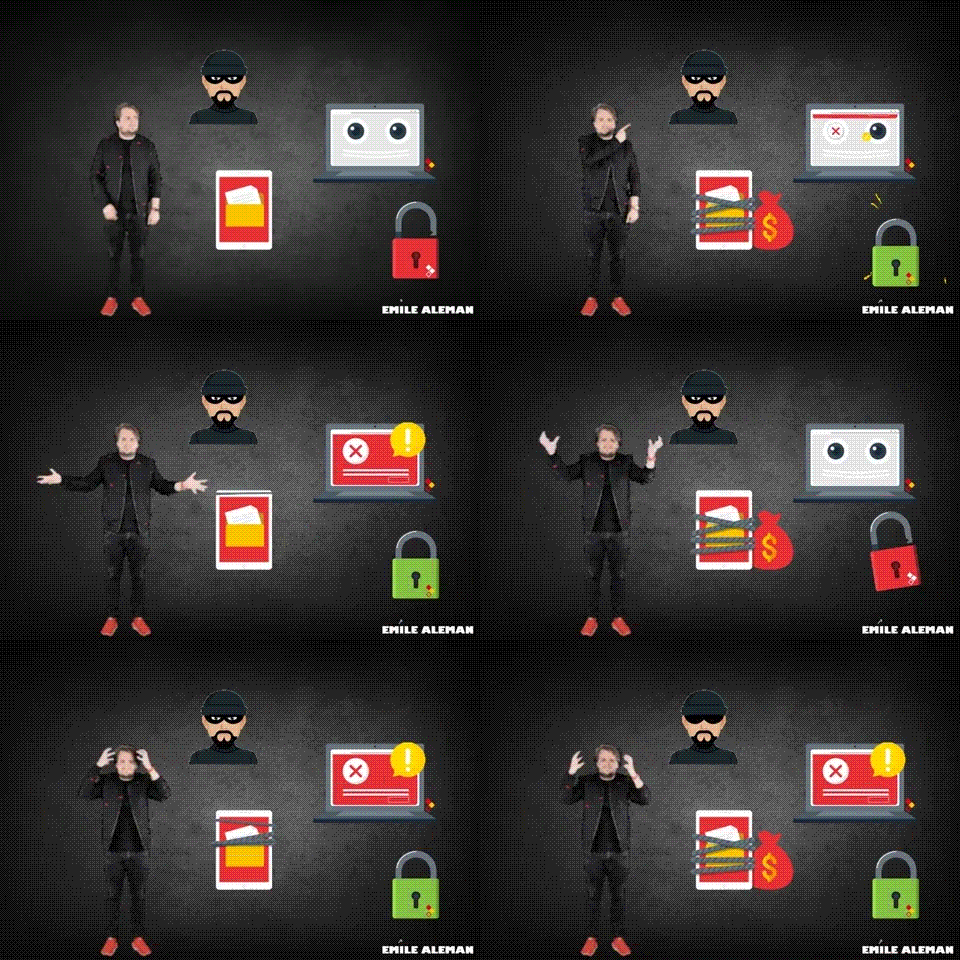
Ransomware attacks have become a nightmare scenario for individuals and businesses alike. This insidious form of malware encrypts your files, holding them hostage until you pay a ransom to the attackers. In this blog post, we’ll delve into the world of ransomware, exploring its tactics, the risks it poses, and most importantly, how you can protect yourself from this growing menace.
What is Ransomware?
Ransomware is a type of malicious software that infiltrates your computer or network, encrypts your files, and then demands a ransom payment, often in cryptocurrency, in exchange for the decryption key. The attackers typically set a deadline, threatening to permanently delete your data if you don’t comply.
How Does Ransomware Spread?
- Phishing Emails: Clicking on malicious links or downloading infected attachments in emails is a common way for ransomware to spread.
- Drive-by Downloads: Visiting compromised websites can automatically download ransomware onto your device without your knowledge.
- Software Vulnerabilities: Outdated software or operating systems can contain vulnerabilities that ransomware exploits to gain access.
The Devastating Impact of Ransomware:
- Data Loss: Encrypted files become inaccessible, potentially leading to the permanent loss of important personal or business data.
- Financial Loss: Paying the ransom doesn’t guarantee the return of your data, and it can be a costly endeavor.
- Business Disruption: Ransomware attacks can cripple operations, leading to downtime, lost productivity, and damage to your reputation.
Protecting Yourself Against Ransomware:
- Regular Backups: Create and maintain regular backups of your important data on external drives or cloud storage. This ensures you can restore your files even if they’re encrypted by ransomware.
- Software Updates: Keep your operating system, antivirus software, and other applications up to date to patch vulnerabilities that attackers could exploit.
- Email Vigilance: Be cautious of opening emails from unknown senders, clicking on suspicious links, or downloading attachments.
- Employee Training: Educate employees about phishing scams and the dangers of clicking on unknown links or attachments.
- Anti-Ransomware Software: Consider using anti-ransomware software that can detect and block ransomware before it encrypts your files.
What to Do if You’re Attacked:
- Isolate the Infected Device: Disconnect the affected computer or device from your network to prevent the ransomware from spreading.
- Don’t Pay the Ransom: Paying the ransom doesn’t guarantee the return of your data and may only encourage further attacks.
- Report the Attack: Contact local authorities and cybersecurity experts to report the ransomware attack.
- Restore from Backups: If you have backups, use them to restore your data after the infected device is cleaned or replaced.
Remember:
The best defense against ransomware is prevention. By implementing proactive security measures and staying vigilant, you can significantly reduce your risk of falling victim to this devastating threat.
Stay safe and secure in the digital world!


 The Ultimate Cyber Resource Hub
Leave a comment